
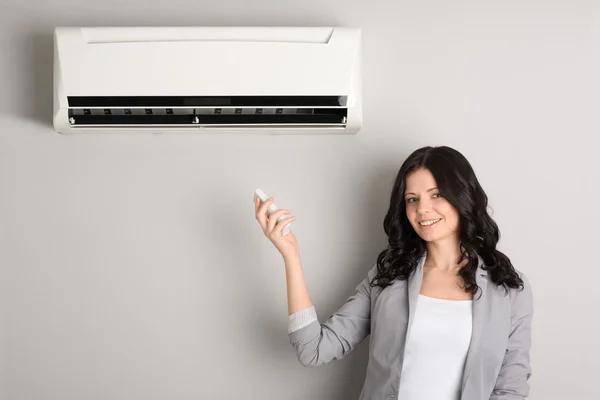
When it comes to maintaining a comfortable and energy-efficient home, installing a reliable HVAC (Heating, Ventilation, and Air Conditioning) system is essential. For homeowners in Simpsonville, understanding the intricacies of HVAC installation can be daunting but rewarding. This guide aims to simplify the process, ensuring that you make informed decisions tailored to your home’s needs.
The first step in any HVAC installation is assessing your home’s specific requirements. Factors such as square footage, existing ductwork, insulation quality, and local climate conditions play crucial roles in determining the right system for you. Consulting with an experienced HVAC professional who understands the nuances of Simpsonville’s climate can provide valuable insights into selecting a system that optimizes comfort while minimizing energy consumption.
Once you’ve determined your needs, it’s time to choose between different types of systems: central air conditioners, heat pumps, or ductless mini-splits are popular options. Central air conditioners are ideal for homes with existing ductwork and offer consistent cooling throughout the house. Heat pumps provide both heating and cooling capabilities and are particularly effective in moderate climates like Simpsonville’s. Ductless mini-splits offer flexibility by allowing temperature control on a room-by-room basis without requiring extensive ductwork.
After selecting an appropriate system type, sizing becomes critical; an go here undersized unit will struggle to maintain desired temperatures while an oversized one may cycle on and off too frequently leading to inefficiency issues over time. Your chosen professional should perform detailed load calculations based on industry standards such as Manual J from ACCA (Air Conditioning Contractors of America). This ensures proper sizing which directly impacts performance longevity along with utility bills savings down line.
Installation day involves several key steps starting from removing old equipment if necessary followed by setting up new components including indoor/outdoor units plus connecting refrigerant lines & electrical wiring safely according manufacturer guidelines ensuring everything operates smoothly together post-installation phase ends successfully!
It’s important not only focus during initial setup stages but also consider future maintenance routines keeping newly installed systems running efficiently longer periods possible avoiding unexpected breakdown scenarios costly repairs later date potentially causing inconvenience household members alike!