


In recent years, the realm of Heating, Ventilation, and Air Conditioning (HVAC) has undergone significant advancements, bringing forth a range of modern technologies that every homeowner should be aware of. These innovations not only enhance comfort but also improve energy efficiency and reduce environmental impact.
One notable advancement in HVAC technology is the development of smart thermostats. Unlike traditional thermostats, smart versions are equipped with Wi-Fi connectivity and can be controlled remotely via smartphones or tablets. They learn from homeowners’ behaviors and preferences to automatically adjust temperatures for optimal comfort and energy savings. By analyzing usage patterns, these devices can significantly reduce energy consumption by ensuring that heating or cooling is provided only when needed.
Another groundbreaking innovation is the advent of variable refrigerant flow (VRF) systems. VRF technology allows for precise temperature control in different areas or rooms within a home. view this page system uses multiple indoor units connected to one outdoor unit, enabling individualized climate settings throughout the house. The ability to heat or cool specific zones as required not only enhances comfort but also maximizes energy efficiency by avoiding unnecessary heating or cooling of unoccupied spaces.
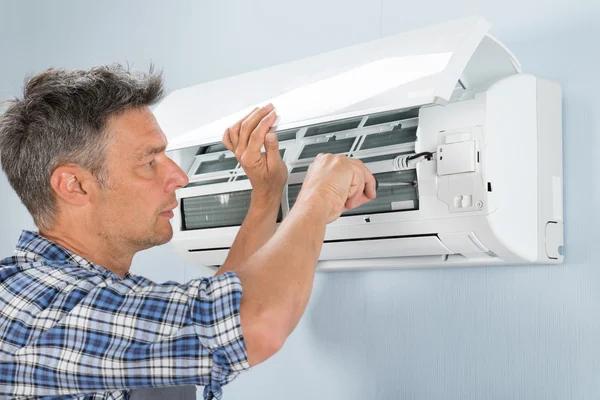
Ductless mini-split systems have also gained popularity among homeowners seeking flexible HVAC solutions. These systems consist of an outdoor condenser unit connected to one or more indoor air-handling units through a conduit. Without the need for extensive ductwork, ductless mini-splits offer easy installation and allow for independent temperature control in each room. This feature makes them particularly suitable for homes without existing ductwork or those undergoing renovations where adding ducts would be impractical.
Geothermal heat pumps represent another cutting-edge technology revolutionizing residential HVAC systems. By harnessing the stable temperatures beneath the earth’s surface, these pumps provide efficient heating in winter and cooling in summer while consuming less electricity compared to conventional systems. Although initial installation costs may be higher than traditional HVAC setups, geothermal heat pumps offer long-term savings on utility bills due to their superior efficiency.
Finally, advancements in air purification technologies have made it possible for homeowners to enjoy cleaner indoor air quality alongside improved climate control capabilities offered by modern HVAC systems. High-efficiency particulate air (HEPA) filters remove allergens such as dust mites and pollen particles from circulating inside homes while ultraviolet germicidal irradiation (UVGI) lights eliminate bacteria and viruses present within ventilation pathways—a crucial consideration given increasing concerns about airborne pathogens today.
As technology continues evolving at an unprecedented pace across various industries worldwide—including home appliances—it becomes increasingly important for homeowners everywhere not only stay informed about emerging trends but embrace them proactively if they wish maintain comfortable living environments efficiently sustainably well into future decades ahead!