

A professional HVAC installation is a critical process that ensures efficient heating, ventilation, and air conditioning in residential or commercial spaces. Understanding the steps involved can help homeowners and business owners appreciate the complexity and importance of expert installation. Proper installation not only guarantees optimal performance of the HVAC system but also extends its lifespan, improves energy efficiency, and maintains indoor air quality.
The first step in a professional HVAC installation is an initial consultation and assessment. During this phase, the HVAC technician evaluates the property to determine the heating and cooling needs. This involves examining the building’s size, layout, insulation, and existing ductwork. Accurate calculations are crucial to selecting the right HVAC system that matches the specific requirements of the space, ensuring neither undersizing nor oversizing occurs. An improperly sized system can lead to inefficiency, discomfort, and increased energy costs.
Once the appropriate HVAC system is selected, the installation process begins with preparation. The technician reviews the installation site, clears the area, and gathers necessary tools and visit here equipment. This stage also includes planning the placement of indoor and outdoor units, ductwork, and electrical connections. Ensuring proper placement is vital for system efficiency and accessibility for future maintenance.
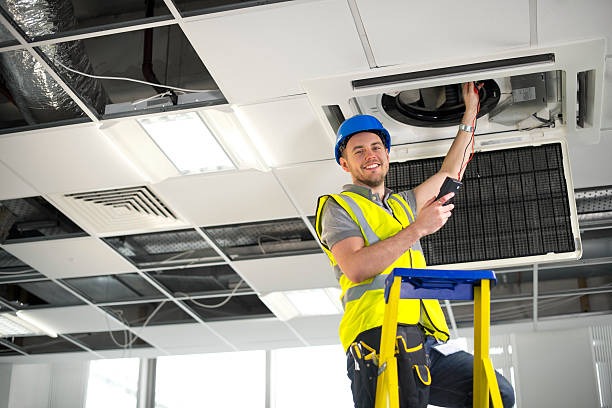
The next step involves the physical installation of the HVAC equipment. This includes mounting the indoor air handler or furnace, setting up the outdoor condenser or heat pump, and installing or modifying ductwork as needed. Quality workmanship during this phase is essential to prevent leaks, ensure secure connections, and maintain system integrity. The technician will also install thermostats and integrate control systems to allow for convenient operation.
After the equipment is in place, the technician proceeds with the electrical wiring and refrigerant charging. Proper electrical connections must comply with safety standards and manufacturer guidelines to prevent hazards. Charging the system with the correct refrigerant level is critical for optimal cooling and heating performance. Incorrect refrigerant levels can cause system inefficiency or damage components.
Following installation, a thorough system testing and commissioning takes place. The technician runs the HVAC system through various operational modes to verify that it functions correctly and efficiently. This includes checking airflow, temperature differentials, system cycles, and controls. Any necessary adjustments are made to ensure the system operates at peak performance.
Finally, the HVAC installer provides the homeowner or building manager with detailed instructions on system operation and maintenance. Proper user education helps prevent misuse and identify potential issues early. Scheduling regular maintenance checks is also recommended to maintain system performance and prolong equipment life.
In summary, a professional HVAC installation involves careful assessment, precise equipment selection, meticulous installation, and thorough testing. Understanding these steps highlights the value of expert services in delivering reliable, energy-efficient, and comfortable indoor environments.